
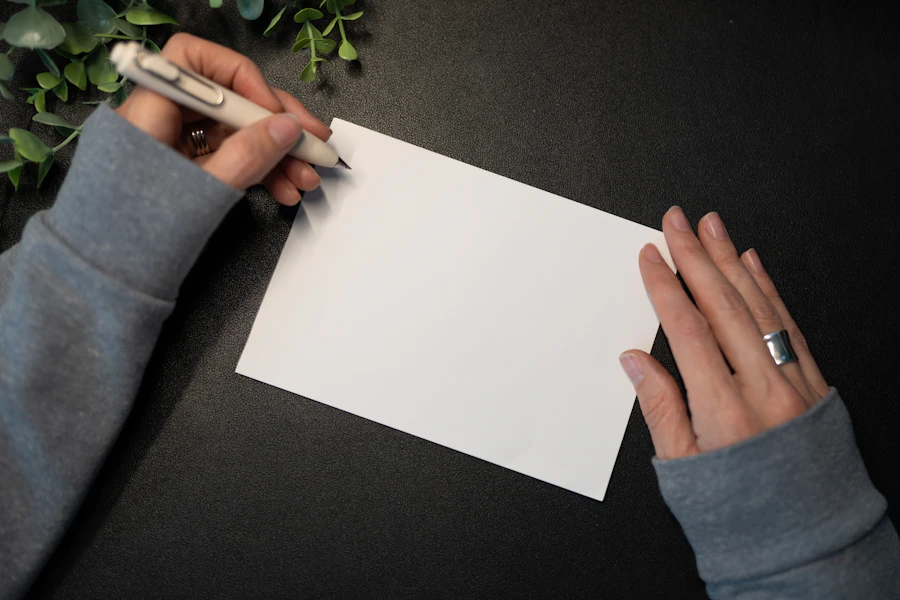
Sending a card is one of the few small gestures that has barely changed in fifty years, and it shows. The shop-bought version asks you to choose from someone else's sentiments; the digital version usually vanishes into an inbox within a day.
This piece looks at why both routes tend to fall flat, what people actually want when they sit down to send something personal, and how an online card maker called Vella approaches the problem of writing a message that sounds like you wrote it.
What the Card Aisle Quietly Asks of You
A rack of printed cards is, in effect, a menu of pre-written feelings. You're not choosing a card so much as choosing which stranger's phrasing comes closest to what you meant. Then you add a line at the bottom in your own handwriting and hope it carries the difference.
That works well enough for a colleague leaving after eighteen months. It works considerably less well for the people who actually matter, where the specific details are the whole point and a generic verse is exactly what you were trying to avoid.
- A message in your words
- A design that isn't on ten shelves
- Something you can send late at night
- A way to schedule it in advance
- No parking, no queue, no shop
- Something the recipient can keep
- A copy you can find again later
The blank inside is the hard part, not the front
Most people don't stall on which design to buy. They stall staring at an empty half-page, trying to say something true without it sounding like a text message.
Why Digital Cards Usually Don't Stick Either
Sending something online solves the logistics and often loses everything else. The typical e-card is a template with your name dropped into it, delivered to an inbox that already holds two hundred other things, and forgotten by the following morning. Consider what tends to go wrong, and what people reach for instead:
- A template that anyone could have sent
- A message written from a dropdown of options
- Delivery into an inbox, then straight past it
- No copy kept once it's sent
- Something written for one specific person
- A card front that isn't recycled from a library
- The option to schedule it rather than remember on the day
- A saved record you can search months later
The gap between those two lists is where most card products sit. Solving the logistics is easy and nearly everyone has done it. Solving the writing, and then keeping what you wrote, is the part that usually gets left out.
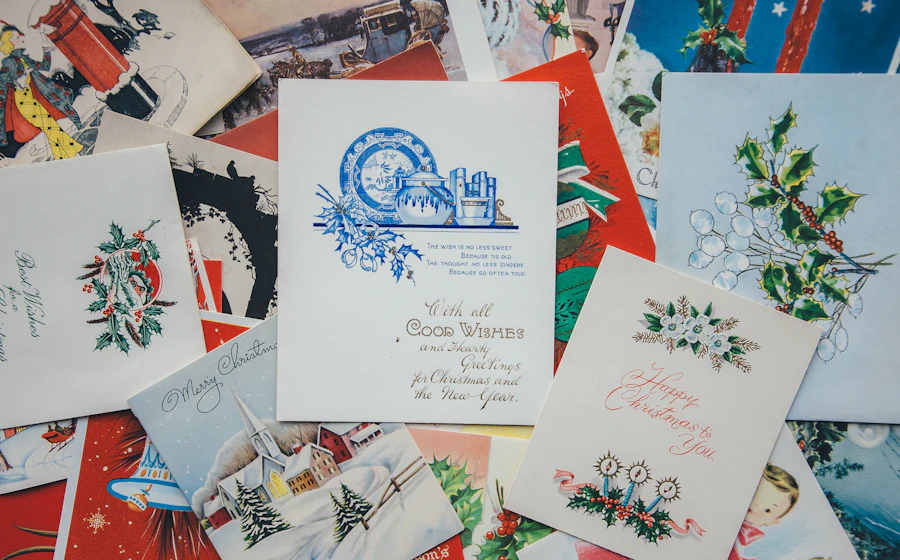
What People Actually Want When They Sit Down to Send One
The requests are fairly modest and remarkably consistent. People want help getting started, not a finished message written for them and sent unread. They want to edit whatever comes out.
They want to send it now or set it for a date and stop carrying the reminder around. They'd like the recipient to open it without downloading anything. And, increasingly, they want a copy kept somewhere they can find it, because the thank-you note written eighteen months ago is exactly the sort of thing that turns out to be worth re-reading.
A card is a small thing done deliberately
None of this makes the gesture bigger. It just removes the friction that usually turns a real thought into a rushed signature at the bottom of someone else's verse.